
What are the differences between rhinoplasty using autologous materials and using other materials?

The main difference between using your own tissue and using other materials for rhinoplasty lies in their origin: autologous materials are tissues taken from your own body, such as cartilage from the ribs, while other materials are typically synthetic substances introduced from outside. Each type has its own characteristics, and the most suitable option depends on the individual's nasal structure, aesthetic goals, and overall health. Therefore, a direct consultation with a doctor is necessary for personalized advice.
What are the autologous materials used in rhinoplasty?
Autologous materials are materials taken from the patient's own body. In the technique of structural rhinoplasty using cartilage grafts, the surgeon takes a small piece of cartilage from the rib, shapes it, and grafts it onto the nose to reshape its structure.
According to research from the Ethics Institute of Aesthetics, rib cartilage possesses natural rigidity, flexibility, and durability, making it a potentially suitable material for creating complex nasal modifications.

Advantages of using native materials
When comparing intrinsic materials and other types of materials, there are several key aspects to consider regarding intrinsic materials:
- High compatibility: Because it is the patient's own tissue, the risk of the body rejecting it is considered to be low.
- Durability and stability: Rib cartilage possesses natural rigidity and strength, which can help maintain the shape of the nose over time.
- The ability to handle complex cases: This may be suitable when reconstructive surgery is needed, such as for congenital nasal deformities, deformities resulting from trauma, or cases where previous surgeries have not yielded satisfactory results.
- The goal is to achieve a natural-looking nose that harmonizes with the overall facial features.
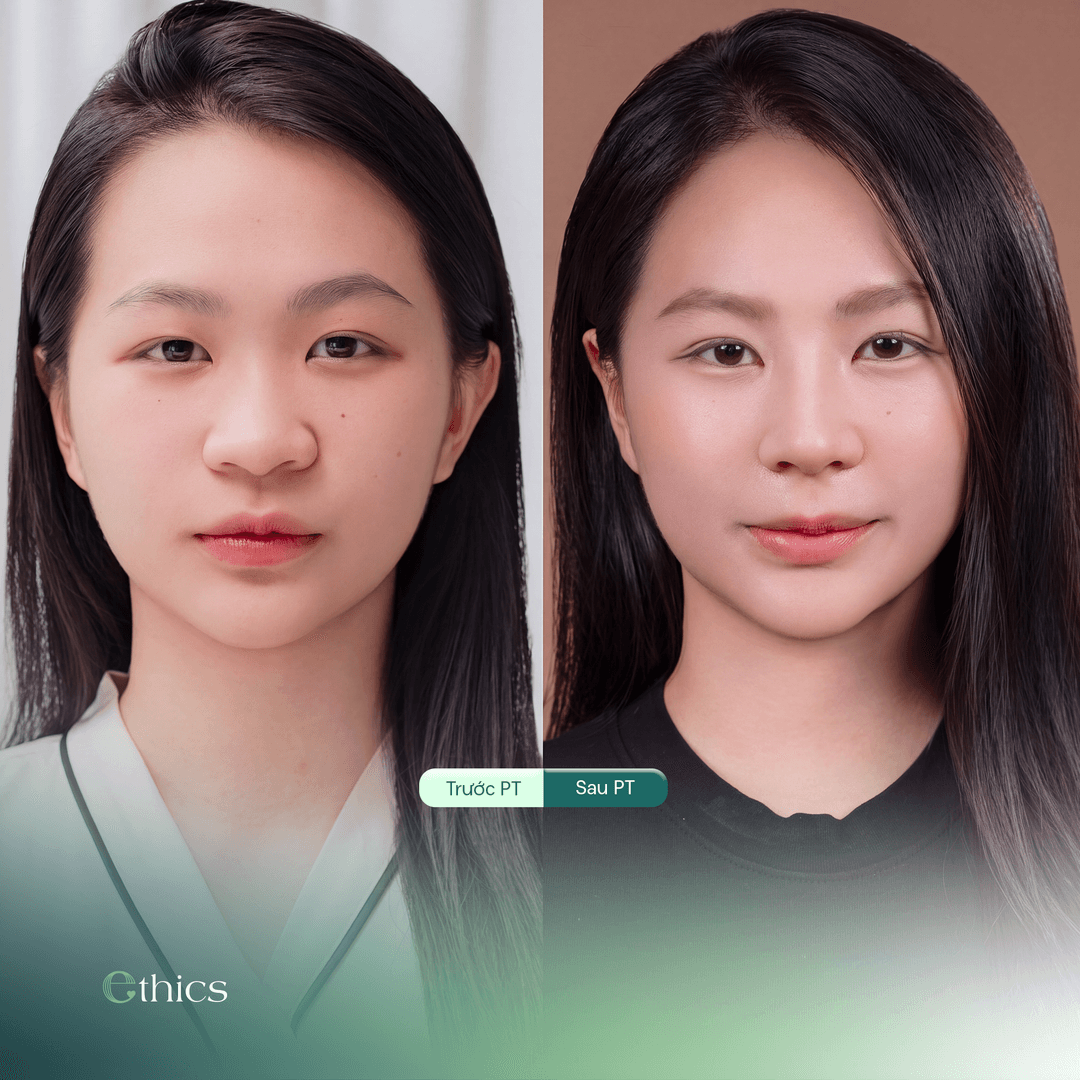
Other materials used in rhinoplasty: What should you be aware of?
Other types of materials include those not derived from your own body. The available literature does not provide detailed information on the specific properties and suitability of each material, so this article does not offer a more in-depth comparison. It is important to discuss the proposed materials with your doctor during your consultation, including the reasons for their selection, their advantages, and any potential considerations or follow-up care required after the procedure.
A noteworthy point: for individuals with a history of allergies or reactions to synthetic materials, using autologous cartilage may be a viable option to consider.

Who should consider using their own cartilage from their ribs?
According to information from Ethics, cartilage grafting rhinoplasty, which involves using cartilage from the rib, may be suitable for:
- Individuals with complex nasal structures, such as congenital abnormalities, deformities resulting from accidents, or previous surgical procedures.
- For those undergoing rhinoplasty for the first time, the primary goals are typically a beautiful and long-lasting result, along with minimizing the risk of complications.
- Individuals with a history of allergies or reactions to synthetic materials.
This is just a general guideline. Since everyone has different nose shapes, cartilage structures, and needs, the specific procedure should be determined by a doctor after a thorough examination.
Here are some things you should discuss with your doctor before making a decision:
- Please describe your current nasal condition and the desired outcome you are hoping to achieve.
- What type of material is suitable for your situation, and why?
- The procedure for harvesting cartilage from the ribs, the specific location from which it is taken, and important information about the cartilage harvesting site.
- Recovery time: Varies from person to person; the doctor will provide specific instructions after the examination.
- Potential risks and how to monitor and care for yourself after surgery.
Schedule a consultation at Ethics
Choosing the right material for your rhinoplasty is a crucial decision that should be carefully considered based on a thorough examination. If you are unsure whether to use your own tissue or an implant, schedule a consultation with a doctor at the Ethics Aesthetic Institute. They will examine you, listen to your preferences, and provide personalized advice, always prioritizing beauty without compromising your health.
Schedule a consultation: To have a doctor from Ethics examine you and advise you on the most suitable options, book a consultation here or call our hotline at 0969 258 000.
Frequently Asked Questions
+What are the autologous materials used in rhinoplasty?
It is a material sourced directly from the patient's own body. In the case of cartilage-based rhinoplasty, the surgeon takes a small piece of cartilage from the rib and shapes it before grafting it onto the nose.
+Why is cartilage from the rib used in structural rhinoplasty?
According to Ethics's research, rib cartilage possesses natural stiffness, flexibility, and durability, making it potentially suitable for creating complex structural changes to the nose.
+Is autologous cartilage (cartilage taken from the patient's own body) a suitable option for individuals who have previously had allergic reactions to synthetic materials?
Using autologous cartilage is a potential option for individuals with a history of allergies or reactions to synthetic materials. The doctor will conduct a thorough assessment during the consultation.
+Does rhinoplasty using autologous materials (patient's own tissue) have any risks?
All surgeries carry potential risks. Autologous materials (materials taken from the patient's own body) have a high degree of compatibility, which reduces the risk of rejection, but you should discuss the potential risks thoroughly with your doctor.
+How long is the recovery period after a cartilage rib graft rhinoplasty?
The recovery time varies from person to person; the doctor will provide specific instructions after the examination.
Ethics Aesthetic Institute
With over 11 years of experience in creating beauty solutions based on medical standards, we at Sắc Bản Nguyên are dedicated to enhancing the beauty of Vietnamese women.
Address: 44 Tran Duy Hung Street, Yen Hoa Ward, Hanoi
Time: 9:00 AM to 6:00 PM, Monday to Saturday; closed on Sundays and public holidays