
Rib Cartilage or Ear Cartilage for Rhinoplasty: Which Should You Choose?
Published October 27, 2026
Choosing between rib cartilage and ear cartilage depends on the underlying structure of the nose, any previous surgery, and the reconstruction needs of each patient. While ear cartilage is often mentioned in standard reshaping techniques, rib cartilage is a self-donated cartilage with high natural firmness and durability, especially suited to rebuilding complex nasal structures or noses that have had multiple failed surgeries. To know which solution is right for you, you need an in-person examination and assessment by a board-certified specialist.

Choosing between rib cartilage and ear cartilage depends on the underlying structure of the nose, any previous surgery, and the reconstruction needs of each patient. While ear cartilage is often mentioned in standard reshaping techniques, rib cartilage is self-donated cartilage with high natural firmness and durability, making it especially suitable for rebuilding complex nasal structures or noses that have undergone multiple unsuccessful procedures. To determine the most appropriate option, patients should have an in-person examination and assessment of their actual condition by a board-certified specialist.
What role do rib cartilage and ear cartilage play in rhinoplasty?
When learning about autologous (self-donated) materials, the difference between rib cartilage and ear cartilage is a topic many people are interested in [NEED REVIEW: detailed information on the characteristics of ear cartilage]. Rib cartilage is self-donated cartilage taken from the patient's own rib. With its sturdy, resilient nature and natural durability, rib cartilage serves as a strong material to shape and rebuild the entire nasal tip and nasal profile, helping to maintain stability over time.

Distinctive features of rib cartilage structural rhinoplasty
Structural rhinoplasty using rib cartilage is an aesthetic technique offering distinct advantages:
- High compatibility: Because it is the patient's own cartilage, the likelihood of the body rejecting it is very low, which helps limit the risk of complications.
- Long-term durability and stability: The natural firmness of rib cartilage helps maintain a well-shaped nose and reduces the tendency toward deformation.
- Ability to handle complex cases: Rib cartilage is particularly effective for making extensive changes, helping to improve nasal shapes that are deformed or damaged.
- Natural aesthetic results: The technique can produce a nose that harmonizes with the overall contours of the face.
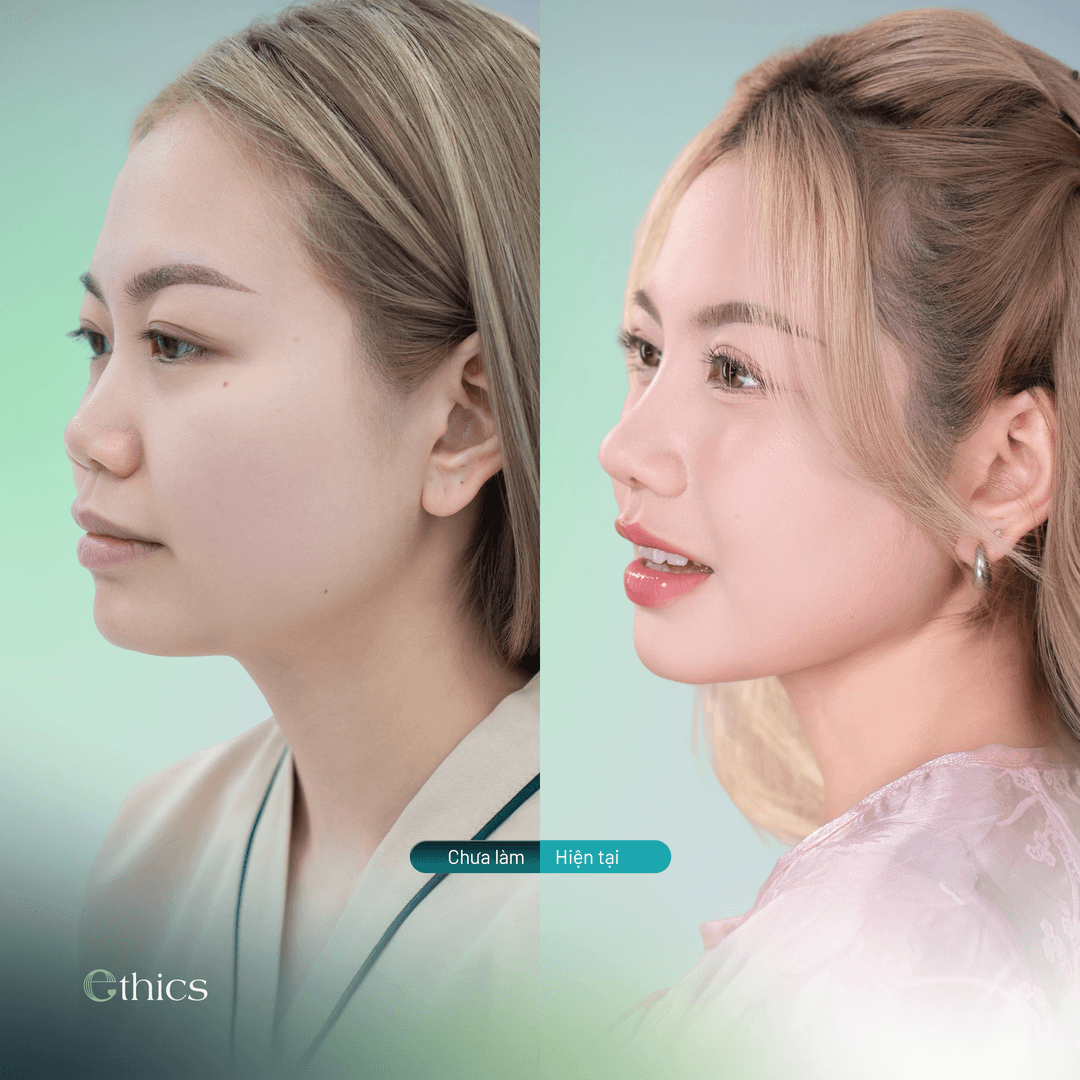
Which cases may be suitable for rib cartilage structural rhinoplasty?
Board-certified specialists typically recommend rib cartilage structural rhinoplasty for the following groups:
- People with complex nasal structures: Cases involving congenital defects, a nose deformed after an accident, or a nose that has had several unsuccessful surgeries before.
- People having their first rhinoplasty: Patients who want a long-lasting, well-shaped nose and aim to minimize the risk of complications from the very first procedure.
- People allergic to synthetic cartilage: Self-donated cartilage can be a suitable option for sensitive individuals or those who have previously reacted to synthetic materials.

Why is an in-person examination by a board-certified specialist necessary?
Rib cartilage structural rhinoplasty is a complex technical procedure that involves taking a small piece of cartilage from the rib and then carefully shaping and placing it in the nose. For this reason, the technique should be performed directly by a surgeon with high expertise and substantial experience.
Every nose has its own anatomical foundation. Comparing the use of rib cartilage and ear cartilage and identifying the optimal approach can only be concluded accurately after the surgeon has examined you in person. Before any procedure, the surgeon will provide detailed consultation, answer all your questions thoroughly, and propose a treatment plan suited to your physical condition.

Standards-based structural rhinoplasty services at Ethics Aesthetic Clinic
Ethics Aesthetic Clinic emphasizes medical safety and refinement in every surgical detail:
- Board-certified specialists personally examine, consult with, and perform the surgery.
- Modern technologies and techniques are applied, supported by continuing learning and professional development through a strategic partnership with AB Aesthetic Hospital in South Korea.
- A dedicated care process, with medical staff closely monitoring patients from the consultation stage through post-operative recovery.
Each patient has a different facial beauty and nasal structure. To have your current nasal foundation accurately assessed and to choose a suitable treatment approach, please contact Ethics Aesthetic Clinic directly to book an appointment with a board-certified specialist.
Book a consultation: to be examined by an Ethics doctor and receive advice on an approach suited to you, book a consultation here or call the hotline 0969 258 000.
Frequently asked questions
What is rib cartilage structural rhinoplasty?
It is a method that uses a small piece of cartilage taken from the patient's own rib to shape, rebuild, and refine the nose into a harmonious and durable form.
Can rib cartilage in rhinoplasty be rejected by the body?
Because rib cartilage is self-donated material from the patient's own body, compatibility is very high and the likelihood of the body rejecting it is very low.
Can a nose with a failed previous surgery be rebuilt with rib cartilage?
This method is well suited to noses that have failed after multiple surgeries, are deformed, or have complex structures that need reconstruction.
The information on this website is for general reference and does not replace a consultation with a doctor. Results and recovery differ from person to person. Pages are translated from the Vietnamese originals.
Contact Ethics
Leave your name and phone number with the country code. Our team will contact you to answer your questions and arrange a consultation.