
Does Everyone Need Rib Cartilage for a Rhinoplasty?
Published October 27, 2026
Does everyone need rib cartilage when reshaping the nose? The answer is no. Not every case requires rib cartilage; this method is usually recommended by the doctor for complex nasal conditions, deformed noses, revision procedures, or people with a history of allergy to synthetic materials.
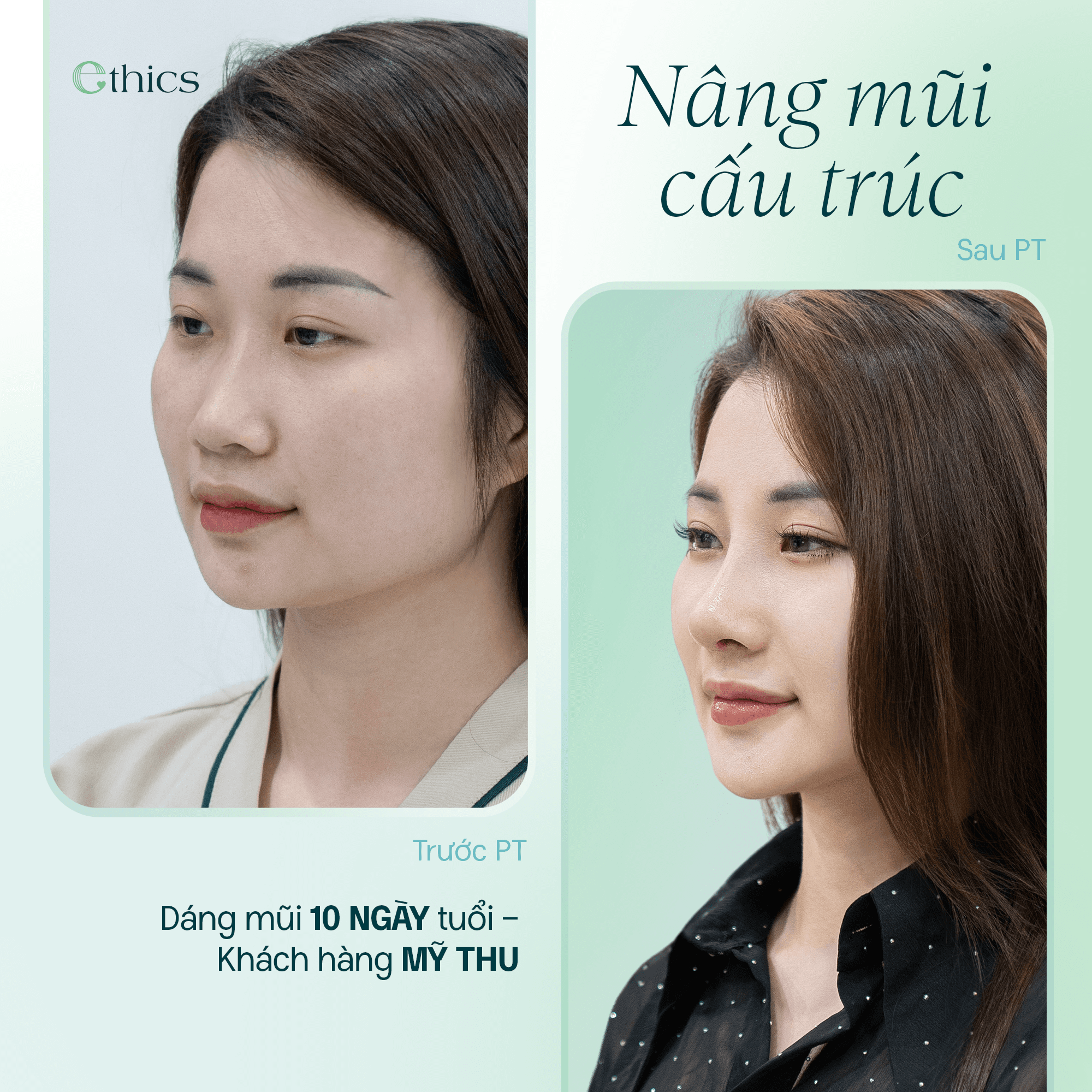
Does everyone need rib cartilage when reshaping the nose? The answer is that not every case requires rib cartilage. This method is usually recommended by the doctor for complex nasal conditions, deformed noses, revision rhinoplasty, or people with a history of allergy to synthetic materials. Every facial structure and nasal foundation has its own distinct features, so each patient should be examined directly by a specialist doctor to choose the most suitable material.
Understanding the Rib Cartilage Structure Rhinoplasty Method
Rib cartilage structure rhinoplasty is an aesthetic technique that uses a small piece of cartilage taken from the patient's own rib to rebuild and shape the nose. With its firm, flexible and naturally durable properties, rib cartilage is a suitable autologous material for providing long-term stability and helping to limit the risk of complications.
Because it comes from the patient's own body, the rib cartilage graft offers high biocompatibility. The body's rejection response is very low, which helps maintain a harmonious, natural nose shape that honors the original beauty of each face.

Does Everyone Need Rib Cartilage for a Nose Job?
Whether everyone needs rib cartilage is a question many patients have before deciding on a cosmetic procedure. In practice, rib cartilage is a specialized technique that requires precise surgical skill, and it is not mandatory for everyone who wants to improve their appearance.
Every nose shape has different shortcomings and different underlying soft tissue foundations. Whether rib cartilage needs to be harvested depends entirely on the current anatomical structure, the level of intervention required, and each individual's previous surgical history.

Cases Suited to Rib Cartilage Structure Rhinoplasty
Based on its technical characteristics and medical compatibility, rib cartilage structure rhinoplasty is usually recommended by the doctor for the following specific groups:
- People with complex nasal structures: Cases of congenital nasal defects, noses deformed by trauma or accidents, or damage after previous unsuccessful surgeries.
- Patients who have had multiple unsuccessful surgeries: Noses with scar tissue contracture, or damage to the nasal support and tip that needs a firm autologous cartilage support to rebuild the structure.
- People allergic to synthetic materials: Patients with a reactive constitution or a history of rejecting synthetic materials may be suited to autologous rib cartilage because of its high compatibility.
- First-time rhinoplasty patients seeking a durable structure: Patients having a nose job for the first time who want a natural, long-lasting nose shape and wish to limit the risk of complications.

Advantages of Using Rib Cartilage in Structural Rhinoplasty
Autologous rib cartilage is highly valued in nasal reconstructive surgery for these notable advantages:
- High natural compatibility: The body's rejection response is very low because the graft uses the patient's own cartilage tissue.
- Durability and stable support: Rib cartilage has natural flexibility and firmness, which helps maintain a stable shape without deformation.
- Natural aesthetic result: Helps recreate nasal contours that harmonize with the overall face, enhancing each person's inherent grace.
- Addressing complex defects: Offers an effective reconstructive solution for severely deformed noses or tissue damaged by repeated interventions.
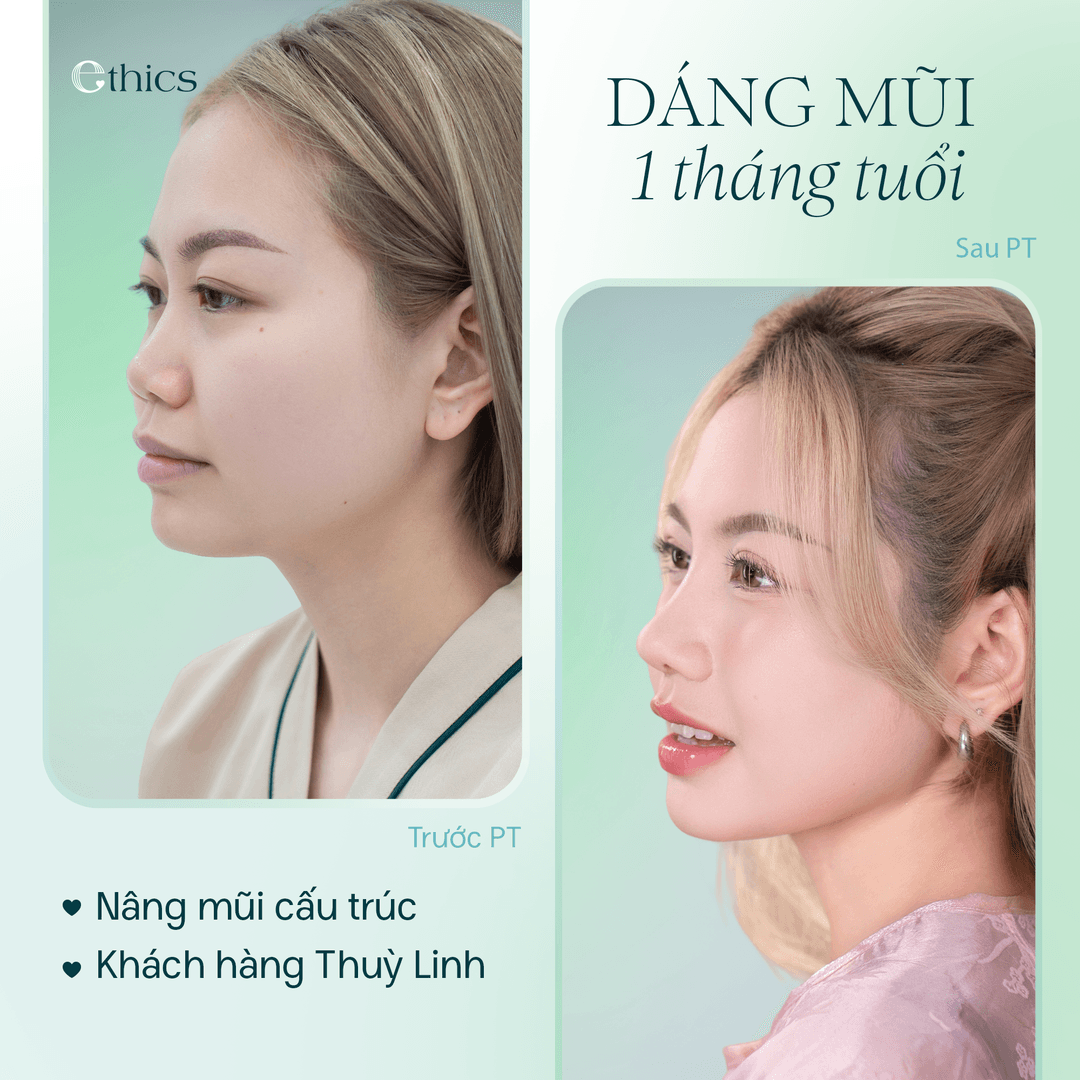
Thorough Consultation with Ethics Specialist Doctors
At Ethics Aesthetic Institute, rib cartilage structure rhinoplasty is performed to medical standards by an experienced team of specialist doctors. To determine accurately whether your condition requires rib cartilage, the doctor will conduct a careful examination, listen to your goals, and thoroughly analyze your nasal structure.
Ethics' strategic collaboration with AB Aesthetic Hospital in South Korea also provides access to modern techniques, helping the procedure be performed more precisely and more safely. Patients receive continuous support and close monitoring from the medical team before, during and after surgery.
To understand your nasal foundation and identify the most suitable solution, book a direct examination appointment with a specialist doctor at Ethics Aesthetic Institute.
Book a consultation: to be examined by an Ethics doctor and receive advice on the option suited to you, book a consultation here or call the hotline 0969 258 000.
Frequently asked questions
Does rib cartilage rhinoplasty cause rejection?
Because the cartilage is autologous, taken from the patient's own rib, the body's rejection response is very low, which helps reduce the risk of complications.
Should a first-time rhinoplasty patient choose rib cartilage?
A first-time rhinoplasty patient may choose this method if they want a durable, safe nose shape with a limited risk of complications, depending on the doctor's advice.
Can a nose from a failed previous surgery be corrected with rib cartilage?
Rib cartilage structure rhinoplasty is well suited to noses that failed after multiple surgeries or have structural deformities, thanks to the cartilage's natural durability and firmness.
The information on this website is for general reference and does not replace a consultation with a doctor. Results and recovery differ from person to person. Pages are translated from the Vietnamese originals.
Contact Ethics
Leave your name and phone number with the country code. Our team will contact you to answer your questions and arrange a consultation.