Rhinoplasty using cartilage grafts: Understanding the materials, indications, and risks
Rhinoplasty using cartilage grafts, often taken from the ribs, is a common topic when it comes to reshaping or augmenting the nasal structure. This article aims to help you understand the concept and prepare questions for your consultation; it is not a substitute for a medical examination or personalized recommendations.
What is rib cartilage used for?
In some rhinoplasty procedures, a surgeon may consider using cartilage harvested from the patient's own body as a grafting material to support changes or reconstruct a portion of the nasal structure. This cartilage can be taken from the septum, the ear, or, in some cases, the ribs. The type of cartilage used depends on the patient's anatomy, surgical history, the desired outcome, and the surgeon's assessment; rib cartilage is not a mandatory option and is not suitable for everyone.
The American Society of Plastic Surgeons notes that cartilage from the ear or ribs may sometimes be used in rhinoplasty (nose surgery). NHS (National Health Service) also mentions that nasal surgery may involve the use of grafts in certain cases. However, these sources do not specify which methods are appropriate for a particular individual.
Here are some key points to discuss before making a decision
- Based on what factors do doctors recommend using cartilage from the rib instead of cartilage from the nasal septum, ear cartilage, or other materials?
- Where will the cartilage be harvested from? What will the incision site be like? What type of anesthesia will be used? And what will the post-operative care process be for the cartilage harvesting site?
- What are the potential risks involved, the duration of the monitoring period, the likelihood of needing revisions, and the potential for additional costs?
- Who will be performing the surgery, at which facility, and what is the plan for managing any unusual signs or complications that may arise after the surgery?
Realistic risks and expectations
Rhinoplasty (nose surgery) may involve swelling, bruising, bleeding, infection, changes in sensation or breathing, scarring, unsatisfactory results, and the possibility of needing revision surgery. Anesthesia and the process of obtaining grafts should be explained by the doctor based on the patient's specific health condition. It is important to ask for information about the risks associated with both the nose area and the area where the cartilage graft is taken, rather than relying on promises about the outcome.
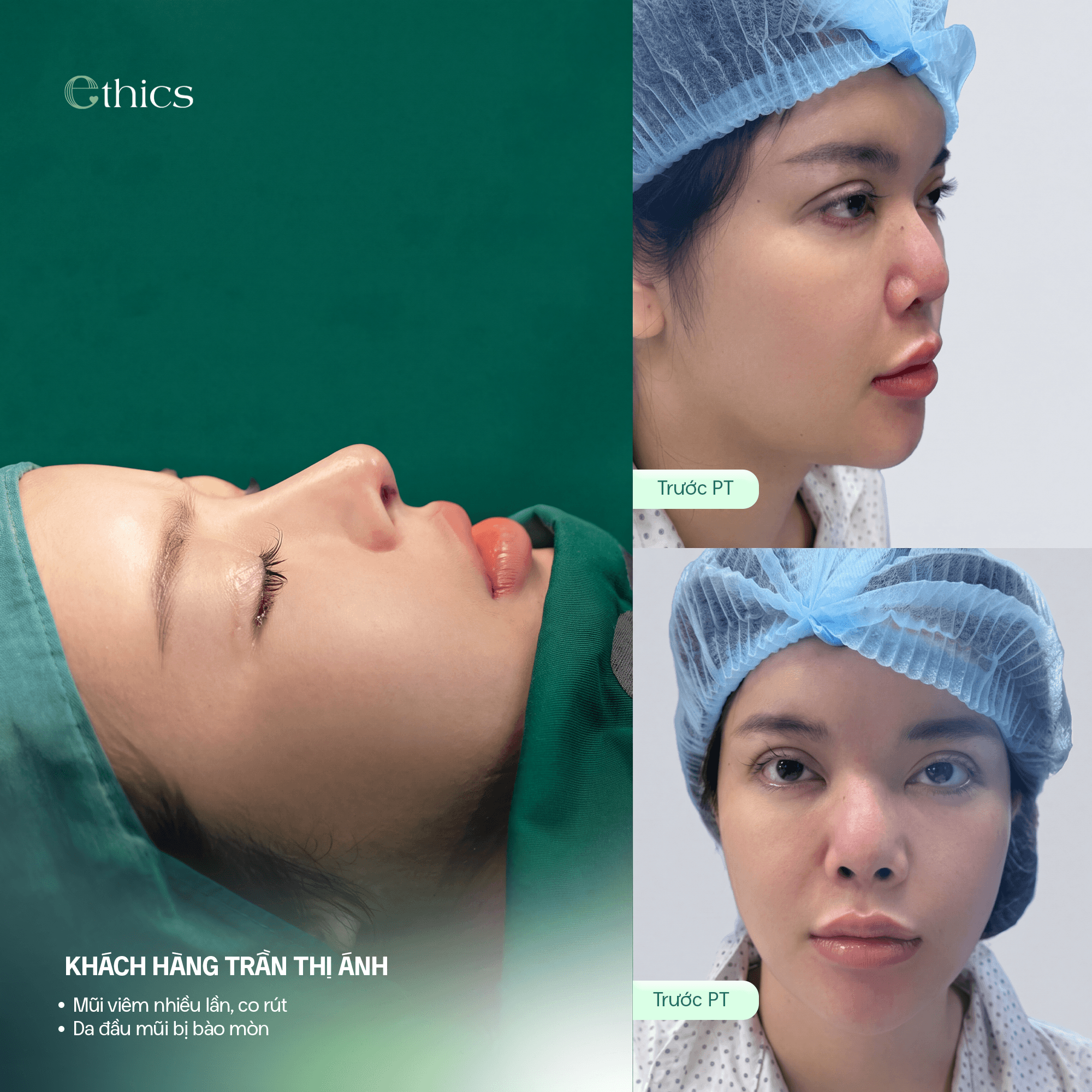
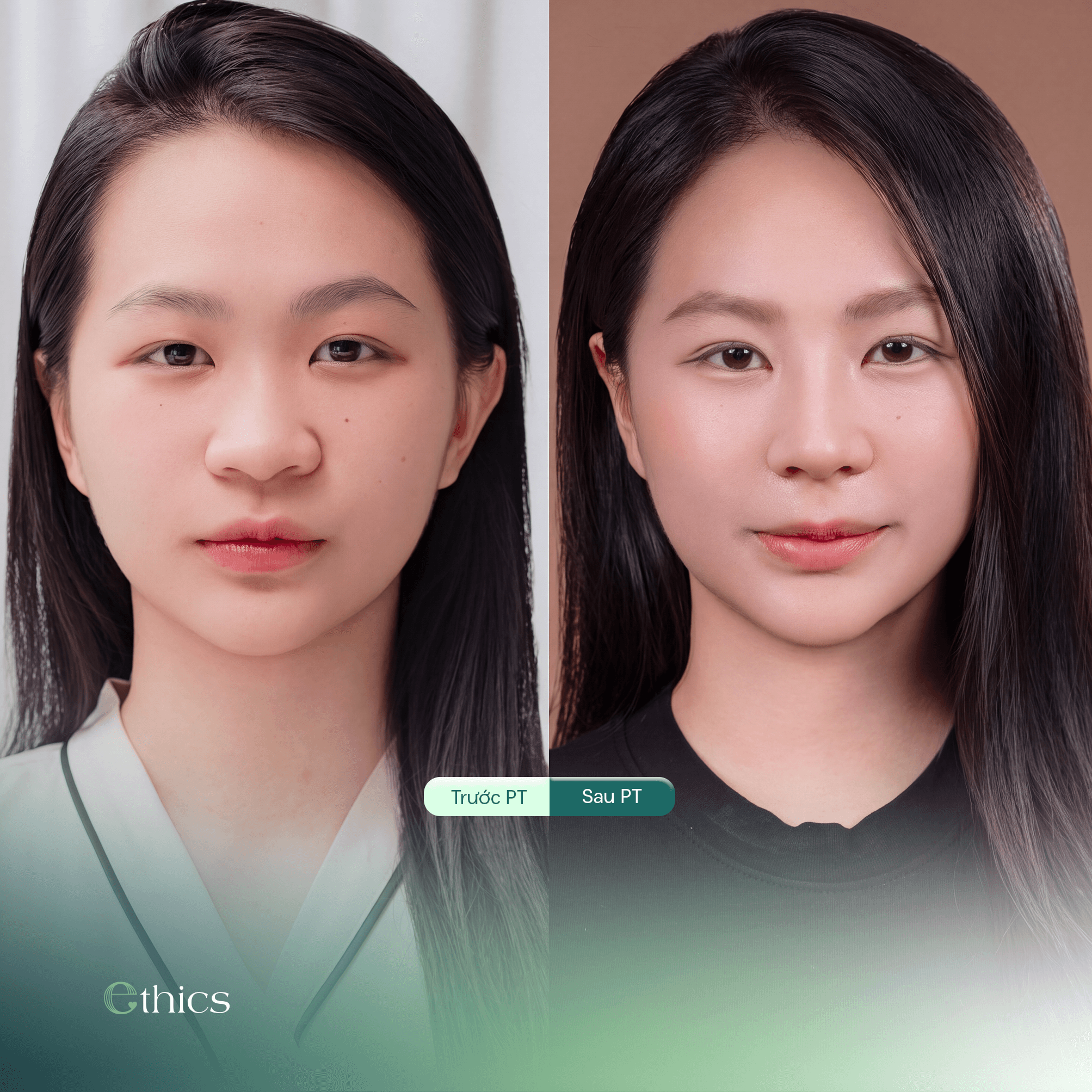
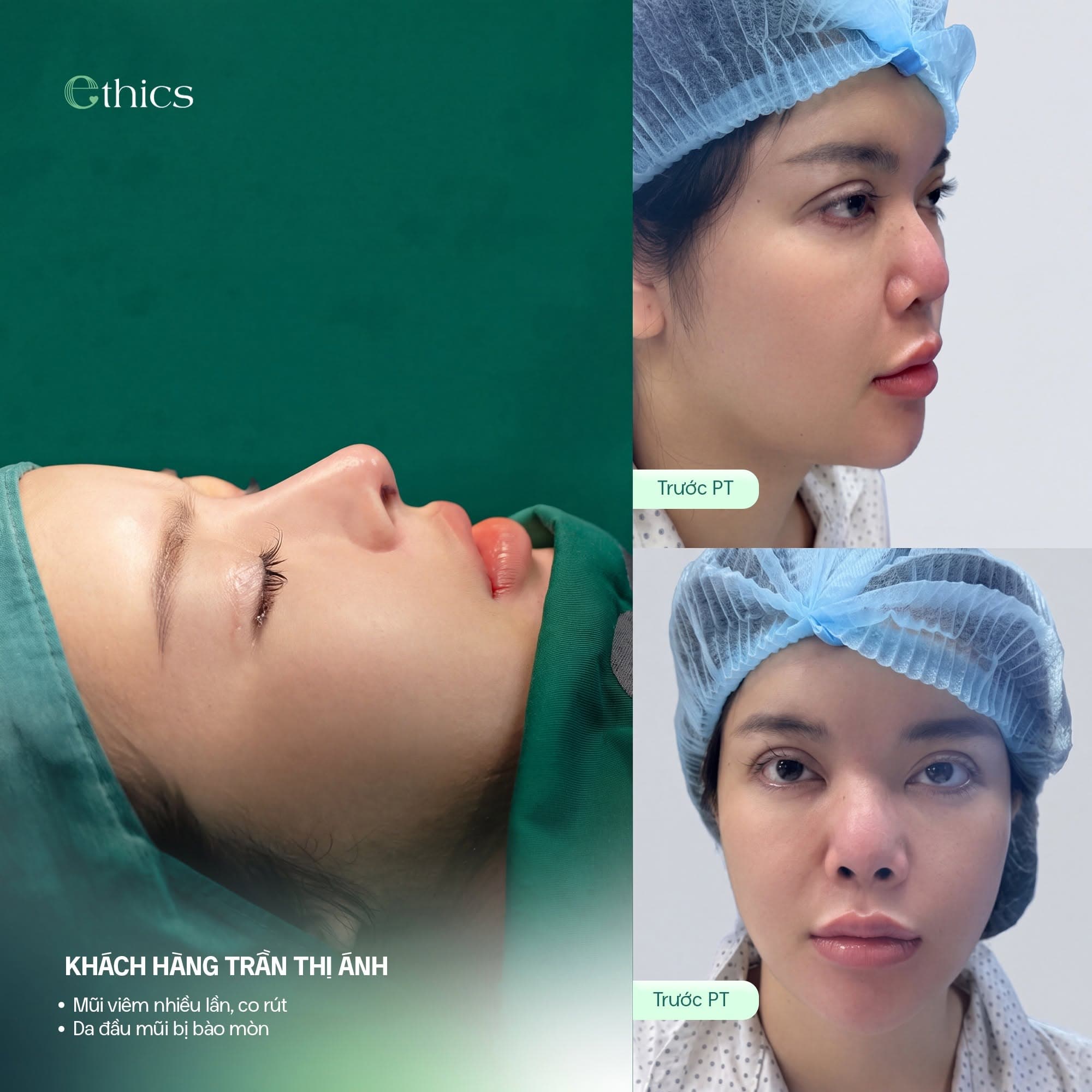
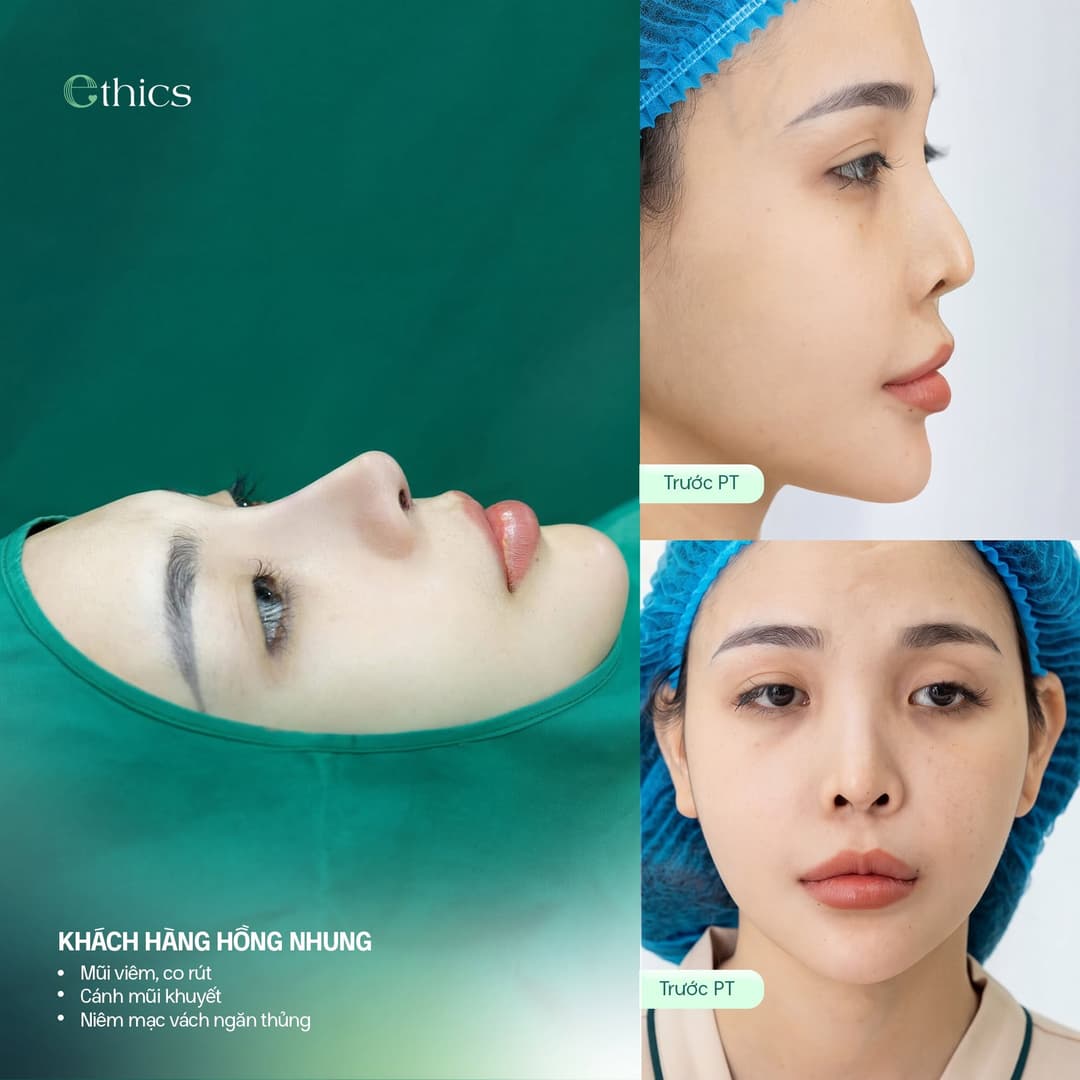
The images below are taken from a clinical case study of Ethics. They represent individual experiences and do not reflect typical results. They are not a guarantee of similar outcomes for other individuals.
If you are considering surgery, it is important to discuss it directly with a qualified doctor, share your medical history, and take the time to carefully consider before agreeing to proceed.
References
- American Society of Plastic Surgeons — The Procedure
- American Society of Plastic Surgeons — Rhinoplasty: Risks and Safety
- [Link to NHS website: Nose reshaping (rhinoplasty)](https://www.nhs.uk/tests-and-treatments/cosmetic-procedures/cosmetic-surgery/nose-reshaping-rhinoplasty/)
- [Link to the original photo post on the Ethics beauty clinic's Facebook page](https://www.facebook.com/photo/?fbid=1067074232836455&set=a.120030174207537)
This content is intended to provide information and does not substitute for medical advice, diagnosis, or treatment. Updated: October 5, 2026.
Original post on Facebook: Please provide the original Vietnamese text you would like me to translate. I need the text to be able to provide an accurate English translation
Ethics Aesthetic Institute
With over 11 years of experience in creating beauty solutions based on medical standards, we at Sắc Bản Nguyên are dedicated to enhancing the beauty of Vietnamese women.
Address: 44 Tran Duy Hung Street, Yen Hoa Ward, Hanoi
Time: 9:00 AM to 6:00 PM, Monday to Saturday; closed on Sundays and public holidays