
How should the area where cartilage was taken from the ribs after a rhinoplasty be cared for?

Caring for the cartilage harvesting site is a crucial part of the recovery process after a structural rhinoplasty using cartilage from the ribs. In addition to the nose, the body also has a small wound on the rib. The specific care instructions and recovery time vary from person to person; the doctor will provide detailed guidance after the examination and surgery.
Why is it important to consider the area from which the cartilage is being harvested?
Rhinoplasty using cartilage from the rib involves using cartilage harvested from the patient's own ribs to restructure and improve the shape of the nose. The procedure involves taking a small piece of cartilage from the rib, shaping it, and then grafting it onto the nose.
Therefore, after surgery, there are two areas that need to be monitored: the nasal area and the area where the cartilage was harvested. Proper care of the cartilage harvesting site will help you feel more comfortable during the initial recovery period and allow you to identify any potential issues early on so you can discuss them with your doctor.
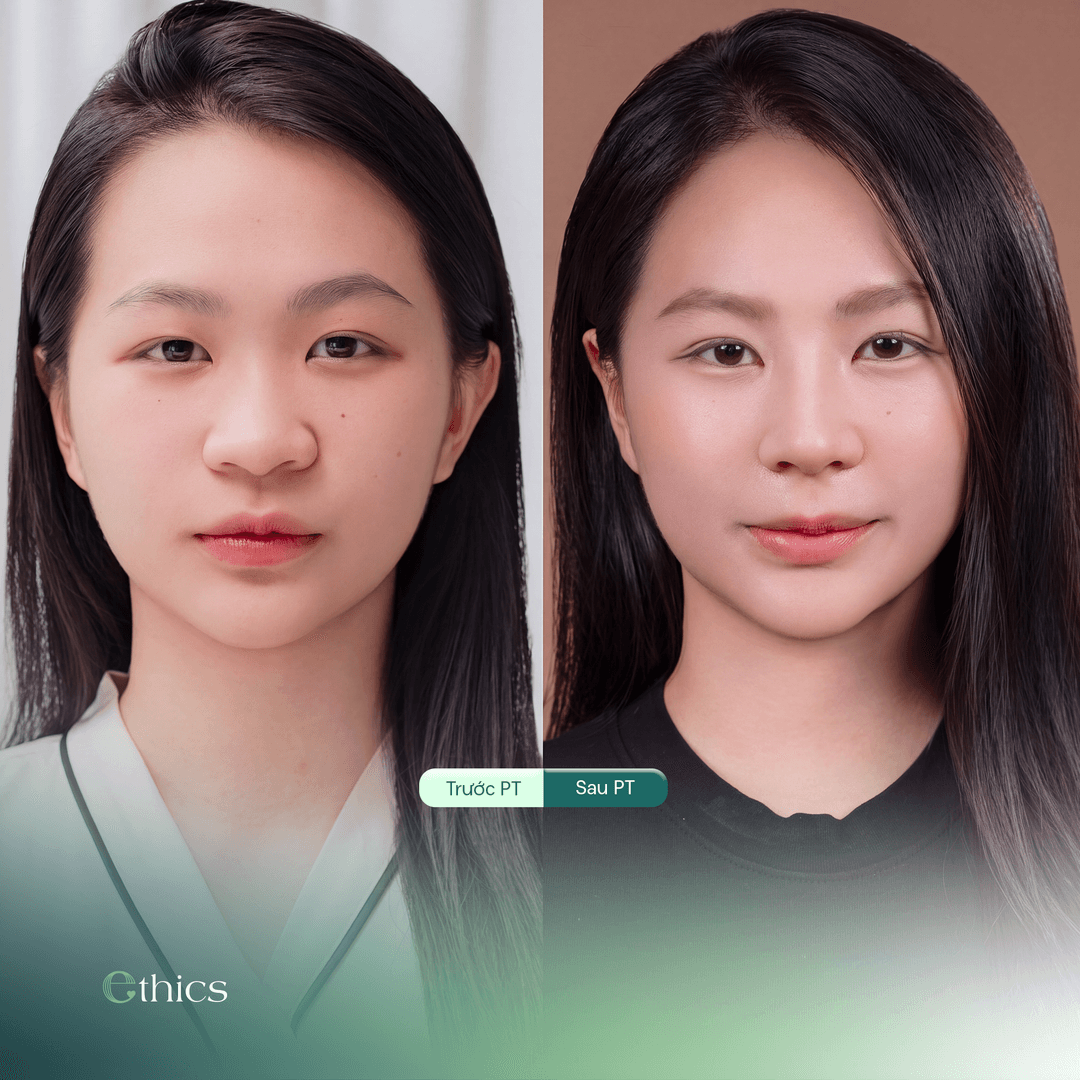
Caring for the cartilage harvesting site: General principles
Each person has a different body and the incision site may vary, so specific instructions should come from the treating physician. Here are some general principles you should keep in mind:
- Follow your doctor's instructions: The doctor will provide specific instructions on how to clean the wound, change the dressing, and monitor for any signs of complications, based on your individual condition.
- Keep the incision site clean and dry as instructed: do not use any medications or products without your doctor's approval.
- Limit strenuous activity: the duration and intensity of activity restrictions will be determined by the doctor.
- Follow-up appointment: This is to allow the doctor to assess the healing process of both the nasal area and the area where cartilage was harvested.

Here are the signs that you should discuss with your doctor immediately
During the recovery process, please contact your doctor if you notice any unusual changes in the area where the cartilage was harvested, such as:
- The pain is increasing gradually over time, rather than decreasing.
- The incision site may be swollen, red, hot, or contain unusual discharge.
- Difficulty breathing or an unusual sensation in the chest area.
- Feeling feverish or unwell.
These are points that need to be assessed directly by a doctor. You should not attempt to self-treat at home without proper guidance.

The recovery time for the area where cartilage has been harvested
The healing time for rib bone incisions varies from person to person, depending on individual factors such as body type, overall health, and the quality of post-operative care. Your doctor will advise you on the appropriate follow-up schedule after examining you.
Things to discuss with your doctor before surgery:
To be more proactive in caring for the area where the cartilage was harvested, you should ask your doctor during the consultation about:
- Please describe the location and characteristics of the incision site in the area where cartilage was harvested from your body.
- Instructions on how to clean and monitor the incision site, along with important considerations for daily activities.
- If you notice any unusual signs or symptoms, please contact us immediately. Here's the contact information you'll need for support.
- Follow-up appointment schedule after surgery.
According to Ethics, throughout the treatment process and after surgery, patients are monitored and supported by a team of doctors and medical staff to ensure that any issues that arise are addressed promptly.
Schedule a consultation with a doctor
Every face and body is unique. If you are considering cartilage rib grafting rhinoplasty and want to learn more about the recovery process, including how to care for the area where the cartilage was taken, please schedule a consultation with a doctor at the Ethics Aesthetic Institute. They will examine you personally, provide advice, and answer all of your questions.
To schedule a consultation: To have a doctor from Ethics examine you and advise you on the most suitable options, please call Schedule a consultation here or our hotline at 0969 258 000.
Frequently Asked Questions
+Does a cartilage rib graft rhinoplasty leave a scar in the area where the cartilage was harvested?
This method involves taking a small piece of cartilage from the patient's own rib, which means the area where the cartilage is harvested will require care. The doctor will explain the specific location and characteristics of the incision during the consultation.
+What should be considered when caring for the area where cartilage is harvested?
You should follow your doctor's instructions regarding hygiene, monitoring the incision site, limiting physical activity, and attending follow-up appointments as scheduled. Specific instructions may vary from person to person.
+How long does it take for cartilage to heal?
The recovery time varies depending on the individual's constitution. The doctor will provide specific instructions after a thorough examination.
+When should I contact my doctor regarding the area where the cartilage was taken?
If you experience increasing pain, swelling, redness, or unusual discharge at the incision site, or if you feel discomfort when breathing or develop a fever, please contact your doctor for a direct evaluation.
+Why is cartilage from the rib used in structural rhinoplasty?
The cartilage harvested from the patient's own ribs possesses natural firmness, flexibility, and durability, making it suitable for creating complex nasal reshaping. It is also a good option for individuals with a history of allergies to synthetic materials.
Ethics Aesthetic Institute
With over 11 years of experience in creating beauty solutions based on medical standards, we at Sắc Bản Nguyên are dedicated to enhancing the beauty of Vietnamese women.
Address: 44 Tran Duy Hung Street, Yen Hoa Ward, Hanoi
Time: 9:00 AM to 6:00 PM, Monday to Saturday; closed on Sundays and public holidays